by Hugh Edwards
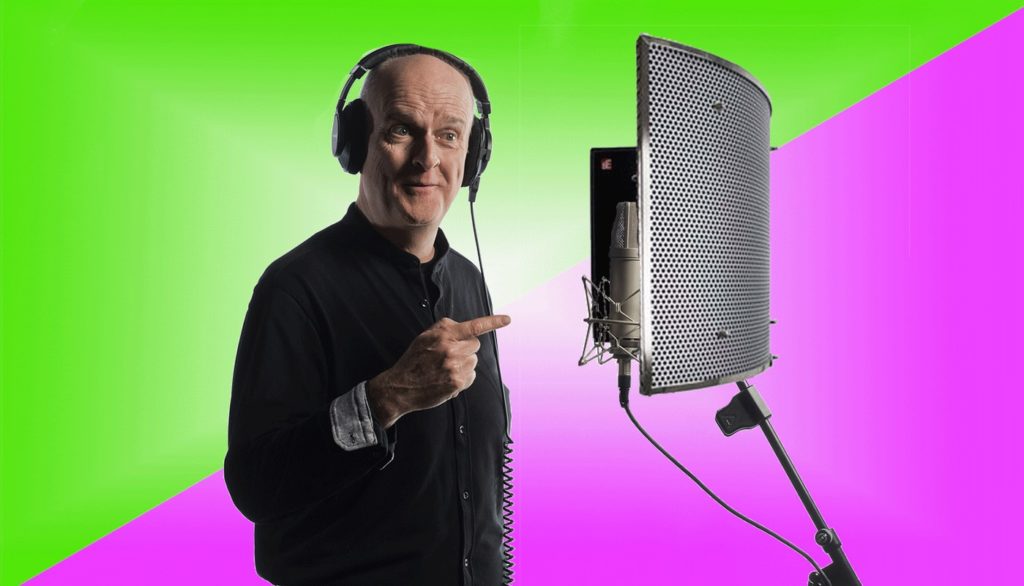
The question “Do I need a sound reflection filter in my home studio” is often asked to us in our mentoring area at Gravy For The Brain. This blog will provide a definitive answer to that question!
The first thing we need to do to answer this question, is define what a home recording studio (or any recording studio for that matter) is, how mic’s work, and how it’s all used.
What’s the Point of a Home Recording Studio?
The point of a home recording studio is to provide a stable, repeatable recording environment with no sound ingress and no sound egress, while minimising any unwanted noise/sound reflections going into the microphone.
What does all that mean!? Let’s go through them one by one:
- A stable and repeatable recording environment: We need to be able to have consistency in the recordings so that we can record a project on day 1, and then for example, do re-records/pickups two weeks later and have the recorded sound match exactly.
- No sound ingress: We do not want any external sound coming into our recording area – the only thing we should pick up is the mic, not noise from the kitchen, passing cars, nearby school-kids screaming, the cat whining for even more food and so on.
- No sound egress: Likewise we don’t want our ranting, wailing, screaming, crying or otherwise fantastic voiceover dialogue to bleed into the kitchen and upset the said cat – she’s trying to eat the food you just gave her.
- No Sound reflections: Sound reflections are the sound recordist’s nemesis. The perfect scenario is that your mic picks up just the vocals that you speak into it. Let’s consider then an extreme example of recording in the kitchen, by the cat; you speak into the mic and the mic picks up your vocals. At the same time your vocals reflect off the wall and into the mic creating a tiny delay, which the mic pics up. At the same time, the vocals reflect of the ceiling which is a different distance to the mic, and is picked up with a different delay. At the same time, your vocals reflect off the cat bowl and then the ceiling and then the wall, and are then picked up by the mic with, again, a different delay. In reality your vocals are bouncing off all walls, ceilings, floors and objects in the room, and all are being picked up by the mic….which sounds like….reverb. This noise in fact, is your room noise. It sounds like a kitchen. The noise of a kitchen sounds pretty awful for recorded vocals and the aim is to remove all sound reflections altogether so that we just get your pure vocal into the mic and that only.